
When I first began my career, I felt lost in a huge sea of people. I sent resumes to every listing, waited for replies, and hoped someone would notice me. Inside, I didn’t know what made me different. I hadn’t thought about my Personal Brand or how it could help me stand out.
I learned the hard way that the world doesn’t work like that. Everything is fast, loud, and crowded. Everyone is trying to be seen. Without a clear Personal Brand, no one could easily grasp my value.
So I decided to shape mine on purpose. At first it sounded like something only famous people needed. But the more I explored, the more I realized a Personal Brand isn’t flashy. It’s a simple, honest way to show who you are. I started slowly and made plenty of mistakes. I tried new things, learned from them, and kept growing.
Over time, this journey changed how I introduced myself, how people remembered me, and the opportunities that came my way. In this friendly guide I’ll share what I learned step by step, in plain language. Think of this as a cozy chat about going from applicant to someone who inspires trust and confidence.
When I first began my career, I felt lost in a huge sea of people. I sent resumes to every listing, waited for replies, and hoped someone would notice me. Inside, I didn’t know what made me different. I hadn’t thought about my Personal Brand or how it could help me stand out.
I learned the hard way that the world doesn’t work like that. Everything is fast, loud, and crowded. Everyone is trying to be seen. Without a clear Personal Brand, no one could easily grasp my value.
So I decided to shape mine on purpose. At first it sounded like something only famous people needed. But the more I explored, the more I realized a Personal Brand isn’t flashy. It’s a simple, honest way to show who you are. I started slowly and made plenty of mistakes. I tried new things, learned from them, and kept growing.
Over time, this journey changed how I introduced myself, how people remembered me, and the opportunities that came my way. In this friendly guide I’ll share what I learned step by step, in plain language. Think of this as a cozy chat about going from applicant to someone who inspires trust and confidence.
Grab a snack, get comfortable, and let’s build a personal brand that truly sticks one thoughtful step at a time.
What Personal Branding Really Means
For a long time, I misunderstood what a Personal Brand really was. I used to believe it meant showing off online, posting perfect pictures, using fancy quotes, or trying to look more talented than I felt. But as I grew in my career, I realized that a Personal Brand is nothing like that.
It’s actually simple. My Personal Brand is the feeling people get when they hear my name. It’s the picture they paint of me in their minds. It shows up in small moments too. If people think I’m helpful, creative, kind, or reliable, that becomes part of my Personal Brand. And if they feel I’m always late or unorganized, that becomes part of it too whether I like it or not.
This made me pause and ask myself an important question: Do I want to shape my Personal Brand with intention, or let the world guess who I am? That question changed everything. I learned that a strong Personal Brand doesn’t happen by accident. It grows from the choices I make every day.
Once I understood this, building my Personal Brand stopped feeling stressful. It didn’t need to be perfect or glamorous. It just needed to be honest, clear, and consistent showing people who I really am.
I also learned what a Personal Brand is not. It’s not about being fake, being louder than others, posting daily just to stay visible, or copying someone else’s style. A strong Personal Brand grows when I stay true to myself.

I discovered that a meaningful Personal Brand is built on three parts.
The first part is my strengths, the things I naturally do well, like writing, designing, solving problems, leading, or supporting others.
The second part is my values and the beliefs that guide how I behave. Whether I value honesty, creativity, courage, or kindness, these shape the heart of my brand.
The third part is the value I create for others, the help or solutions I offer that make their life better, even in small ways.
When my strengths, values, and contributions come together, my Personal Brand begins to shine. It doesn’t grow overnight. It builds slowly as I keep showing up as my real self. And the more aligned I am with who I truly am, the more memorable my Personal Brand becomes.
Understanding Who I Am — The Secret First Step
Before I could build a strong Personal Brand that people trusted, I had to slow down and look within myself. I realized nothing would grow if I didn’t understand who I truly was. So I began asking myself honest questions I had never taken seriously before. These reflections became the foundation of my Personal Brand.
The first question I explored was, “What am I truly good at?” This mattered because my Personal Brand should highlight my natural strengths. I didn’t limit myself to job skills. I looked at everyday talents too, the small things people appreciated about me without me noticing. These hidden strengths slowly became key pieces of my Personal Brand.
The next question was, “What makes me different from others in my field?” I learned that uniqueness doesn’t have to be dramatic. Even small qualities like staying calm under pressure, being patient, or explaining tough ideas simply can help my Personal Brand stand out. These subtle traits made it feel honest and memorable.
Another guiding question was, “What problems do I love solving?” My Personal Brand became clearer when I understood the type of work that brought me joy. I felt alive when I helped someone gain clarity, learn something new, or fix a challenge. These moments pointed me toward the direction my Personal Brand naturally leaned.
Then I asked, “What energizes me, and what drains me?” This mattered because I didn’t want a Personal Brand built on exhaustion. I wanted something aligned with my strengths and passions, something that felt sustainable, not forced. Knowing what lifted me up helped me shape a brand that felt joyful and true.

Another powerful question was, “What do people naturally come to me for?” This showed me how my Personal Brand was already forming. When people repeatedly asked for help with writing, planning, designing, or advice, it revealed what they trusted me for. Their trust became a mirror showing the early shape of my Personal Brand.
When I finally wrote all my answers down, I started seeing patterns. I realized that my Personal Brand wasn’t something I needed to create from nothing. It had been growing quietly through my actions, habits, and personality. I just needed to notice it and guide it intentionally.
Defining My Personal Brand Statement
When I first started shaping my Personal Brand, I realized I needed one clear sentence that described who I am and what I bring to others. This one simple line became my Personal Brand statement. It worked like a friendly introduction, helping people understand me even before I said anything. It showed who I help, how I help, and what value I offer.
I learned that a Personal Brand statement works best when it’s easy to understand. If a child can repeat it without getting confused, that’s a sign it’s clear. Simple language makes a message easier to remember, easier to share, and easier for people to connect with.
To understand my direction, I played with different versions.
One idea was: “I help fresh graduates write stronger resumes so they can get noticed.”
This helped me see how my Personal Brand could support young job seekers who needed guidance.
Another version was: “I help small businesses grow online so they can reach the right customers.”
This showed me how my skills could support entrepreneurs who struggle with digital growth.
I also tried: “I help teams solve design challenges so they can build better products.”
This helped me recognize that my Personal Brand could highlight creativity, teamwork, and problem-solving.
When I finally wrote a sentence that felt honest and natural, everything aligned. My Personal Brand started showing up clearly on my resume, my LinkedIn profile, my website, and even in casual conversations. That one line brought consistency and clarity everywhere.
A strong Personal Brand statement isn’t just a sentence it’s a direction. It helps other people understand me, but it also helps me stay focused on the kind of impact I want to make.
Finding My Voice — How I Want to Sound
When I began shaping my Personal Brand, I realized that my voice played a huge part in how people experienced it. My voice became the personality behind everything I shared. Through the words I used, people could sense who I was long before they ever met me. To find the right voice for my Personal Brand, I started asking myself a few simple questions.
Did I want to sound friendly or formal?
Should I use simple, easy words or more complex language?
Did I want my Personal Brand to feel calm and gentle or bold and energetic?
Exploring these questions helped me understand that every Personal Brand needs a tone that feels natural. I didn’t want to force a style that didn’t match who I truly was. A message only feels powerful when the voice behind it is honest and real. So I chose a voice that reflected my personality, my values, and the impact I wanted my Personal Brand to create.
As I paid more attention to my tone, I noticed something important. When the voice of my Personal Brand changed from platform to platform, people got confused. If I sounded warm on Instagram but extremely formal on LinkedIn, it created mixed signals. A strong Personal Brand grows trust only when the tone stays consistent everywhere.
To stay consistent, I created a small voice guide for myself. It wasn’t complicated just a simple reference that helped me keep my Personal Brand steady and easy to recognize. I decided to use clear language instead of complicated words. I chose to keep the tone positive because I wanted to inspire people, not overwhelm them.
I also made storytelling a core part of my Personal Brand. Instead of sharing only tips or concepts, I used real experiences and real emotions. Stories made my message feel human and relatable. I also made sure to write the way I naturally talk, so my Personal Brand always felt like the real me, not a polished version pretending to be someone else.
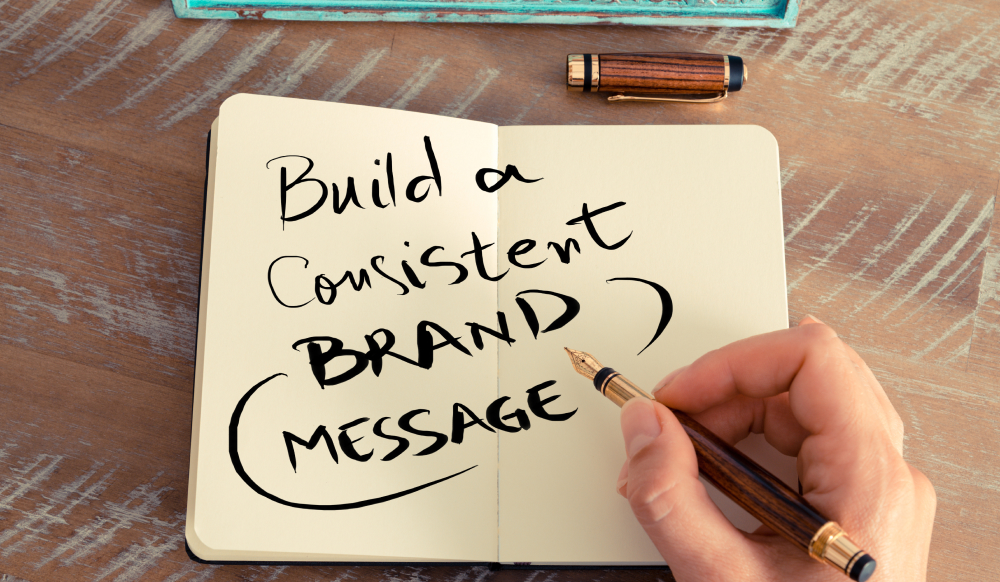
Most importantly, I shaped my Brand around being helpful. Every post, message, or conversation carried the intention to support someone or make their day easier. This simple habit became one of the strongest parts of my voice.
Over time, this voice became the heartbeat of my Personal Brand. It helped people recognize me, trust me, and connect with me no matter where they found me.
Crafting My Personal Story — The Heart of My Brand
As I worked on strengthening my Personal Brand, I discovered something powerful: people may forget facts, but they rarely forget a meaningful story. My own story became the emotional core of my Personal Brand. It helped others understand who I am beyond titles or achievements. It made my message feel human, relatable, and real. Through my story, people connected with me on a deeper level.
I learned that every strong Personal Brand has a simple, honest story behind it. It doesn’t need to be dramatic or perfect, it just needs to be true. This story shows the journey behind the Personal Brand, not just the final result. When I shared where I came from, my message felt more authentic and trustworthy.
To shape my story, I broke it into three clear parts.
First, I revisited where I began. This beginning revealed the early roots of my Personal Brand.
Next, I thought about the challenges I faced along the way. These struggles added depth and showed that growth took time.
Finally, I looked at what I learned and who I have become today. This part showed the evolution of my Personal Brand and how each experience shaped me.
Building My Online Presence — Where My Brand Lives
Today, people search online before they trust anyone. That’s why my digital presence matters as much as my actual work.
Here are the places I focused on:
1. LinkedIn — My Professional Home
This is where most people check first. So I made sure my profile was strong.
I worked on:
- My headline
- My summary (in first person)
- My profile picture
- My banner image
- My experience section
- My skills
- My recommendations
- I also shared posts, stories, lessons, mistakes, and wins.
2. Portfolio or Website — My Showroom
Even if I wasn’t a designer, I built a simple portfolio using tools like:
- Canva
- Notion
- Wix
- WordPress
- I uploaded case studies, projects, and stories of how I helped clients or teams.
3. Social Platforms — My Human Side
I chose only the platforms I liked. I didn’t force myself to be everywhere.Some platforms showed my expertise; others showed my personality. Both mattered.
Creating Valuable Content — Becoming a Voice, Not Just a Name
When I reached this point in my journey, I noticed something surprising. People began to understand my work even before meeting me all because I started sharing what I knew. Posting valuable insights slowly shifted how others saw me. Instead of being just another professional online, I became someone worth listening to.
I didn’t begin with big or complicated ideas. I simply started sharing small lessons from my day. Short posts were an easy way to express what I was learning without spending hours creating something perfect. These tiny updates showed my growth, my curiosity, and my way of thinking.
Then I began opening up about real moments, the mistakes, the doubts, the things I wished I knew earlier. These honest stories created a different type of connection. People could see the person behind the work, not just the final result. It made my journey feel relatable and human.
Later, I experimented with videos. Speaking on camera felt strange at first, but it helped people understand my personality much faster. They could hear my tone, see my expressions, and understand what I stood for.
Visual posts like carousels became another tool I enjoyed using. They allowed me to explain ideas step-by-step in a clear and friendly way. They also helped me organize my thoughts in a more structured manner.
One of the most impactful things I shared were real examples of work I had done. Instead of saying, “I can do this,” I showed how I solved a problem or improved a situation. These examples built trust because they were based on actions, not claims.
And then came longer writing. Articles gave me the space to explore deeper topics and share well-thought-out perspectives. They took more time, but they helped people see the depth of my understanding.
By sharing different types of content consistently, my voice became easier to recognize. People began to understand my approach, my style, and my values. Over time, this steady effort shaped how others perceived me and helped me grow in a genuine, meaningful way.
Showing Consistency — The Magic That Builds Trust
When I began shaping who I was professionally, I discovered that trust grows from showing up the same way again and again. My identity didn’t expand because I did something dramatic, it grew because I stayed steady. Using the same tone, expressing the same values, and being honest each time helped people understand what I stood for.

I also learned that being consistent didn’t mean posting nonstop. It meant keeping my voice familiar wherever I appeared. When my writing carried the same warmth and clarity, people instantly recognized it. That sense of familiarity made my presence feel dependable.
Another important part of staying steady was honoring the values I cared about. Whether I shared a quick idea or a long reflection, I made sure kindness, clarity, growth, and sincerity were always present. The more people saw these qualities in my work, the more they trusted me.
I also tried not to disappear for long periods. Even when I didn’t have much to say, I showed up with intention. Each small effort reminded others that I was still here, still contributing, and still committed.
Keeping my word became a powerful habit. If I said I would guide someone, I did. If I promised to share something useful, I made sure it happened. Following through built a sense of reliability that no design or headline could replace.
Most importantly, I stayed close to my core message. I didn’t switch styles every few days or copy someone else’s approach. Staying true to my mission gave people clarity about who I was and what I aimed to do.
In time, I understood something meaningful: growth doesn’t come from noise. It comes from steady steps repeated with sincerity. That quiet, dependable rhythm is what helped me build an identity that people could trust and understand.
Building a Network — Turning Names Into Relationships
When I started paying more attention to how I presented myself, I realized that building real connections changed everything. My growth didn’t come from promoting myself everywhere it came from forming genuine relationships. Authentic conversations created a level of trust that no amount of posting ever could.
To deepen these connections, I focused on small, sincere actions. I left thoughtful comments on people’s posts and shared my views with kindness. These gestures made my presence feel warm and easy to approach. I also sent simple thank-you messages, which helped people remember me for the right reasons.
I made it a habit to ask others about their work too. Being curious opened the door to meaningful interactions instead of surface-level exchanges. And whenever someone reached a milestone, I celebrated it with them. Supporting others showed that my journey wasn’t only about myself it was about community and growth.
With time, I understood something important: real progress comes from human connection. When people feel seen and appreciated, they naturally trust the person behind the interaction. That’s how strangers slowly become supporters, and names turn into lasting relationships.
Becoming an Authority — The Final Transformation
Reaching a place where people saw me as an authority was a turning point in my journey. It didn’t happen overnight, and it wasn’t about appearing superior. It was simply about becoming someone others could learn from, trust, and rely on.
One of the first things I did was share what I knew without holding back. I offered tips, ideas, and lessons openly. When people saw that I shared knowledge to genuinely help, not to impress, their confidence in me grew naturally. This openness strengthened how others perceived my work and values.
Speaking at events and webinars also gave me a boost. Even small sessions made a difference because they allowed me to show up for new people and contribute in meaningful ways. These experiences built credibility over time.
Writing longer pieces like guides, articles, or mini-ebooks added more depth. These formats allowed me to explain concepts clearly and share real stories from my experience. When my insights helped someone solve a problem, it quietly strengthened their trust in my expertise.
Collaborations played a big role too. Partnering with other professionals or creators introduced my work to different audiences. These connections helped me become part of larger conversations and showed that my voice had value in wider communities.
Above all, staying honest and true to myself made the biggest difference. People can sense when someone is genuine. By being real, staying grounded, and showing care in everything I shared, I slowly earned the trust that turns a regular professional into a recognized authority.
Brand Over Time
A personal brand is not a tattoo. It can grow, change, and evolve.
- I changed careers.
- I learned new skills.
- I found new passions.
- I discovered new interests.
My brand grew with me and that’s the beauty of it.
Building a Brand That Sticks — The Real Secret
I eventually realized that a lasting presence isn’t built on perfection. It’s built on honesty, sincerity, and a genuine desire to help the people who cross paths with my work.
What made the biggest difference was simply being clear about who I am, what I bring to the table, and why my work matters to me. When people could easily understand these things, they remembered me without any extra effort.
My growth didn’t come from being the loudest voice online or trying to show up everywhere. It came from showing up as myself consistently, calmly, and confidently. That simple authenticity is what stays with people, and it’s what makes a Personal Brand truly unforgettable.
Conclusion: From Applicant to Authority — My Message to You
If you ever feel invisible, lost, or unsure about your path, I want you to know this:
- You do not need to be famous.
- You do not need millions of followers.
- You do not need to be the smartest or the most talented person in the room.
You just need to be you — with purpose, clarity, and consistency.
- Your story matters.
- Your voice matters.
- Your skills matter.
- Your experiences matter.
- Your journey matters.
And when you share them with the world in an honest and helpful way, you become unforgettable.
You move from being just another applicant,to become someone people look up to.
- Someone people trust.
- Someone people respect.
- Someone people choose.
- Someone with a brand that truly sticks.
So start today, start small, start simple.
But most importantly, start as yourself.
Because the world doesn’t need another perfect person.
The world needs you, the real you.
You may also like to read:
Build a Standout Resume to Land Your First Job in 2026, No Experience? No Problem
Glow with Achievement: Turn Your CV into a Powerful Personal Brand
Leave a Reply